If you’re considering solar panels for your home, you might wonder whether a metal roof complicates installation. This is a common concern among homeowners exploring renewable energy.
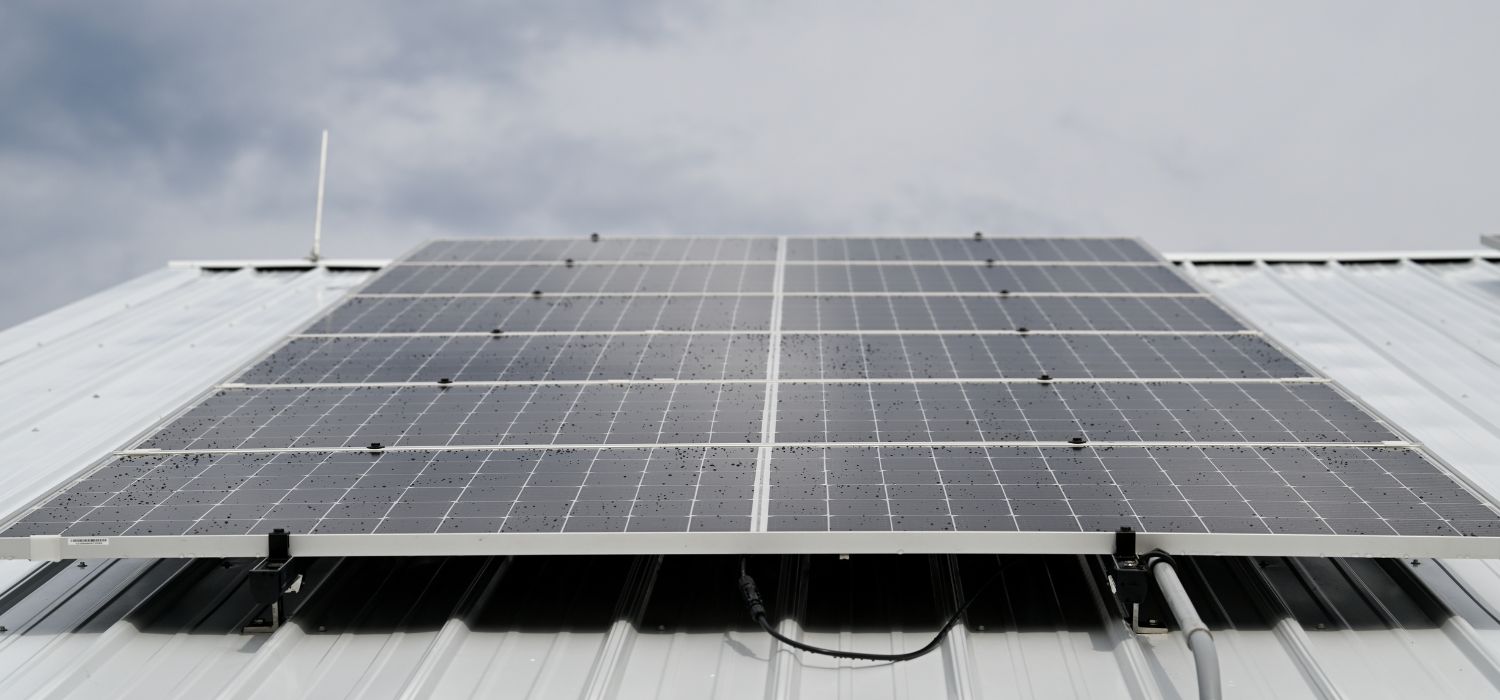
The good news is that metal roofs are among the best surfaces for solar panels. In fact, many experts consider them the ideal roofing material for solar panel installations. Metal roofs are among the most solar-friendly roof types available due to their durability, longevity, and compatibility with modern mounting systems.
Pairing solar panels with a metal roof offers several practical and financial advantages. Understanding how the two systems work together can help you decide whether solar is the right investment for your home.
One of the biggest advantages of a metal roof is its lifespan. A high-quality metal roof typically lasts 40–70 years, far longer than many traditional roofing materials.
By comparison, asphalt shingles usually last 15–30 years before needing replacement. This difference becomes important when installing solar panels, which generally have a lifespan of 25–30 years.
If you install solar panels on an asphalt roof, you may eventually need to remove them to replace the roof beneath them. That process can add unnecessary labor costs. With a metal roof, however, the roof will likely outlast the solar panel system, avoiding that complication entirely.
Metal roofing also requires very little maintenance, further protecting your return on your solar investment.
Metal roofs also improve solar performance in several ways. They tend to reflect heat more effectively than dark asphalt shingles, keeping the area beneath the panels cooler. Since solar panels operate more efficiently at lower temperatures, this can increase overall system output.
Cooler roof temperatures allow the photovoltaic cells to generate electricity more efficiently.
Reflective roofs also help regulate indoor temperatures. The Environmental Protection Agency reports that “cool roofs” can reduce peak air-conditioning demand by 11%–27%, thereby lowering energy consumption and overall carbon emissions.
Not all metal roofs are built the same, and installation methods vary by roof profile. Professional solar energy companies and installers first identify the type of metal roof before determining the appropriate mounting system.
Standing seam roofs are typically the easiest type of metal roof for solar installation.
These roofs feature raised vertical seams that run from the roof ridge down to the eaves. Installers can attach specialized clamps directly to these seams, creating a secure mounting point for solar panels.
The biggest advantage of this system is that no drilling is required. The clamps grip the seam without penetrating the roofing surface, preserving the roof’s integrity and eliminating the risk of leaks. Because the installation is noninvasive, the roof warranty usually remains intact.
Standing seam installations also tend to have lower labor costs because they are quicker and simpler to complete.
However, different standing seam roofs have different seam dimensions. Installers must use clamps designed specifically for your roof’s profile to ensure a secure fit.
Corrugated metal roofs have a wave-like pattern consisting of ridges and valleys. Solar panels can still be installed effectively, but the mounting process differs slightly.
Two common bracket options are used:
Valley Mounts
These brackets attach through the valley of the roof panel and anchor into the structural supports beneath the roof. This provides excellent strength and wind resistance, but it requires drilling through the roofing material. Proper sealing is critical to prevent water intrusion because rainwater flows through these valleys.
Rib Mounts
Rib mounts attach to the raised ridges rather than the valleys. Since water typically flows through the valleys, mounting on the ridges reduces the risk of leaks. These brackets usually attach to the metal sheeting rather than the structural deck below.
Installers must ensure the mounting hardware is rated for the local wind loads and that the roof panels can support the system’s weight.
Metal shingles are designed to resemble traditional asphalt or tile roofing while providing the durability of metal.
Solar installation on metal shingles is more similar to installations on conventional roofs. Installers may need to remove individual shingles to temporarily install mounting hardware and flashing.
Because metal shingle systems often come with strict warranties, it’s wise to coordinate the installation with the roofing manufacturer or contractor. In some cases, having the roofing company install the flashing can help protect your warranty.
Modern solar mounting systems are specifically designed to work with metal roofing materials while protecting the roof structure.
For standing seam roofs, clamp-based systems are considered the industry standard. These clamps attach securely without penetrating the roof surface and allow the metal panels to expand and contract naturally with temperature changes.
Rail-less mounting systems are becoming increasingly popular because they can speed up installation. Some installers report that these systems can be 30%–50% faster to install than traditional rail systems.
Instead of using long horizontal rails, brackets attach directly to the roof ribs or seams, and the solar panels mount directly onto those brackets.
Some modern roofing systems even allow the use of high-strength industrial adhesives to secure mounting hardware. These adhesives create a watertight bond without drilling holes in the roof surface.
Regardless of the mounting method, proper grounding and bonding are essential. Since metal roofs conduct electricity, installers must ensure that the entire solar panel system is safely grounded in accordance with electrical codes.
Solar energy has become increasingly attractive as electricity prices continue to rise and government incentives support its adoption.
The Inflation Reduction Act currently provides a 30% federal tax credit for residential solar installations. This credit significantly reduces the upfront cost of installing solar panels.
Electricity prices rose 14.3% in 2022 alone, and energy costs have continued to fluctuate. Solar panels allow homeowners to generate their own power, reducing dependence on utility companies and protecting against future price increases.
Most homeowners see their solar investment pay for itself within 9–12 years, while the panels themselves continue producing electricity for decades.
Solar panels can also increase your home’s value. Studies have found that homes with solar panel systems can sell for around 4%–7% more than comparable homes without solar.
Buyers are increasingly interested in energy-efficient homes with lower operating costs, making solar installations an attractive feature in real estate markets.
Solar panels require minimal maintenance once installed.
Occasional cleaning may be necessary depending on your climate. Dust, pollen, or bird droppings can slightly reduce solar output, so keeping panels clean helps maintain efficiency.
Many homeowners also install critter guards to prevent birds or small animals from nesting beneath the panels and damaging wiring.
Most modern solar panel systems include monitoring apps that allow you to track electricity production in real time. Sudden drops in output may indicate the need for maintenance or inspection.
Some solar providers offer monitoring or maintenance plans that provide additional peace of mind.
Solar energy adoption continues to accelerate as technology improves and costs decrease. Solar panel efficiency has steadily increased, while manufacturing processes are becoming more sustainable and environmentally friendly.
Metal roofs complement these advancements perfectly. Their durability, reflective properties, and structural strength create an ideal platform for solar installations that can last for decades.
Installing solar panels on a metal roof is practical and financially sound. Metal roofs often last longer than the solar panel systems installed on them, eliminating the need for costly panel removal during roof replacement.
Modern mounting systems allow solar panels to be installed securely while protecting the integrity of the roof. Whether you have a standing seam roof, corrugated metal panels, or metal shingles, reliable installation solutions are available.
With the help of an experienced installer, your metal roof can serve as the foundation for a clean, efficient energy system that benefits your home and the environment for decades to come.
Address: 231 W Rutherford Blvd
Murfreesboro, TN 37130
Phone: 615-237-1737
Business Hours:
Mon - Fri: 7:30 AM - 4:30 PM
Sat & Sun: Closed