Your solar panels sit on your roof every single day, taking a beating from Mother Nature. Exploring the causes of solar panel damage helps you protect your valuable system. They’re built tough, but photovoltaic (PV) cells are certainly not invincible.
Understanding what can harm your setup helps you avoid reduced performance. Extreme weather, debris, and even wildlife can all trigger common solar panel damage. Let’s review what threatens your panels and how to keep them running strong for years to come.
Weather conditions pose major threats to your solar setup. Storms bring dangers that easily crack or destroy your equipment. Hail is particularly nasty, quickly cracking glass over your PV cells.
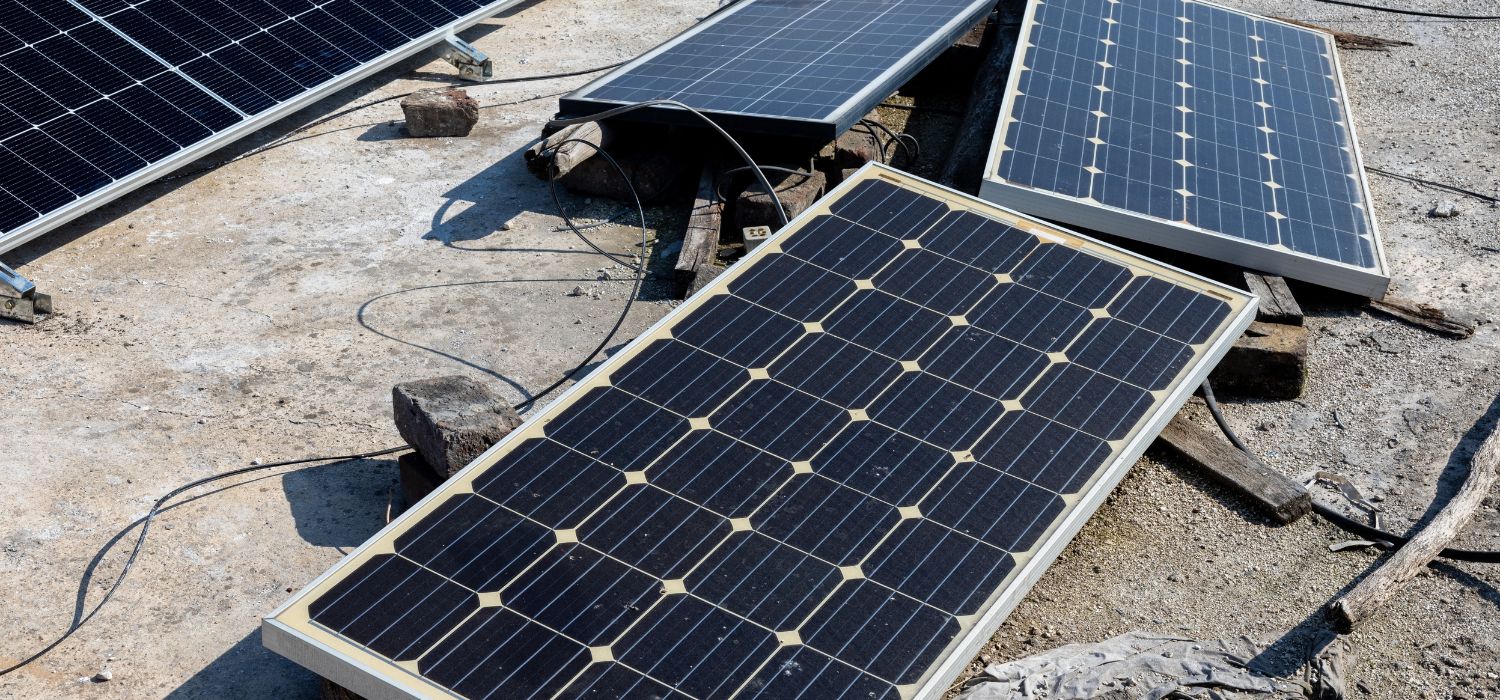
Once the protective glass breaks, rapid water ingress corrodes internal circuitry and degrades your expected performance. Mechanical damage often happens during severe storms when objects become projectiles. High winds don’t just blow panels around. They send loose debris flying into your array.
Sustained gusts can compromise the aluminum frame on a leading solar panel. Faulty or loose hardware quickly leads to significant degradation of solar panels. This structural failure causes endless trouble for property owners.
Lightning doesn’t have to strike directly to cause absolute chaos. Nearby strikes send massive surges that frequently fry the solar inverter and trip the circuit breaker. You might notice an immediate loss of power when hidden inverter faults prevent power production.
Direct lightning strikes leave visible signs, such as scorch marks on your roof. You may find burn marks on the junction boxes behind the panels. This severe electrical trauma often causes diode failure, melting vital internal connections.
Replacing a damaged bypass diode helps restore complete functionality for the array. Checking for bad bypass diodes is necessary after severe thunderstorms hit your area. Dealing with these complicated faults requires professional solar panel repair.
Tree branches constantly threaten otherwise healthy rooftop arrays. They scrape across surfaces, creating tiny scratches that block direct sunlight. Over time, this heavily impacts your overall solar energy output.
Falling branches shatter arrays completely, leaving severely damaged cells behind. Dirt and dust build up fast, significantly cutting energy output in dry climates. Neglecting regular cleaning allows dirt to build up, which reduces your system’s overall efficiency.
Corrosive bird droppings create severe hot spots, generating excessive heat that worsens overall panel degradation. Leaves and pine needles trap moisture underneath brackets and cables. Prolonged dampness frequently causes delamination along the edges of sensitive equipment.
Moisture buildup frequently triggers induced degradation and lowers overall solar panel performance. Snail trails appear as discolored lines on older solar cells, usually signaling internal moisture issues. Routine maintenance clears away the debris before major trouble begins.
Birds love to nest under arrays, blocking vital airflow and trapping heat around panel components. Squirrels and other rodents chew on structural cables, causing catastrophic wiring damage. Just one chewed wire easily shuts down your entire rooftop array.
Installing perimeter critter guards effectively avoids this common solar headache. These barriers prevent destructive pests from creating long-term structural trouble. A basic guard saves you from spending thousands on unexpected panel repair costs.
A poor solar panel installation leaves expensive equipment highly vulnerable to daily weather patterns. Loose hardware causes excessive movement that cracks internal components and accelerates the onset of panel defects. Improper wiring creates heavy resistance and generates dangerous heat pockets.
Routine professional checkups quickly spot early signs of common solar panel problems. Aging systems require focused attention to catch hidden defects in solar panels early.
Let trained experts fix common solar panel defects before they ruin your entire setup. Proper visual inspections prevent minor panel issues from growing into costly solar panel problems. Proactive care is also essential for maintaining daily production capacity.
A quick summary of common failures helps you identify what goes wrong most often.
|
Issue Type |
Main Cause |
Prevention Method |
|
Water Ingress |
Broken glass seals |
Routine visual checks |
|
Wiring Damage |
Pest chewing |
Perimeter critter guards |
|
Hot Spots |
Droppings or Debris |
Regular surface washing |
Always document issues when they occur so professionals know where to look.
Understanding specific warranty limits really matters during severe mechanical trauma events. Manufacturers often offer 25-year guarantees covering standard solar panel components, but these exclude weather damage. Homeowners insurance usually provides that vital environmental protection instead. Always consult your trusted solar company before paying for repair services. Certified technicians can perform work without voiding manufacturing protection agreements.
Preventive daily care easily beats the experience of unexpected power loss. Start your installation project by choosing a leading solar product to avoid failures from low-quality equipment. Making solar decisions strictly on manufacturing quality prevents future operational headaches.
Good local solar energy companies and installers like us here at Green Wave Solar secure hardware to protect it from specific local environmental threats. Proper installation techniques preserve structural integrity and greatly extend lifespan. Washing surfaces frequently maximizes direct sunlight absorption for daily power generation.
We highly recommend you include solar cleaning in your regular schedule. Make sure to include solar panel washing routines twice a year. Gently use mild soapy water, and never apply harsh chemicals that could damage solar panel surfaces.
Watch your household energy output metrics closely every week. Sudden data drops usually signal significant trouble producing power. Modern digital setups include reliable solar monitoring applications featuring automated system alerts.
After severe storms pass, do a careful visual check from the ground for hanging debris. If something looks off, call an expert to check for common solar panel problems immediately. Addressing small problems instantly stops major repair bills later.
Fast, targeted action resolves dangerous inverter faults before they damage extra hardware. Maintaining proper app connectivity is essential for all property owners.
Your main home policy should cover catastrophic weather damage perfectly. Verify all coverage limits directly with your agent before installing heavy equipment. Some regional companies require a special policy rider specifically for common solar panel structures.
Always keep detailed installation photos safely filed away in your home records. Great documentation significantly speeds up the handling of difficult insurance claims during a major disaster. When evaluating replacement value, consider all associated replacement costs.
Keep your local installer’s emergency contact information readily accessible in case of emergencies. Have residential backup plans ready, as the system might remain completely offline for weeks. Shut your entire setup off immediately if severe structural problems appear.
Contact local emergency response services if a dangerous fire starts.
Evacuate the immediate area if smoke or sparks become visible.
Never touch loose or hanging electrical wires yourself.
Shattered glass arrays create major fire risks and huge safety hazards. Other hazardous issues include loose electrical wires swinging freely around the damaged mounting brackets. Handling extreme damage requires fully licensed electrical professionals.
Your physical location directly dictates the most serious structural threats. Coastal towns fight constant corrosive salt spray that degrades wiring fast. Desert regions endure intense dry heat and blowing sand that scratches delicate glass faces.
Northern snowy climates constantly battle heavy ice accumulation that eventually cracks rigid hardware. Discuss these regional hazards thoroughly with local weather experts. Adjusting maintenance plans to suit local climates saves a lot of trouble.
Solar panel damage causes range from severe storms to daily neglect. Constant environmental threats include hail, high winds, falling branches, and destructive wildlife. Preventing a complete disaster begins with top-tier installation and active digital monitoring.
Routine washing and replacing bad bypass diodes helps protect your monthly finances. Quality home insurance gives you absolute peace of mind against mechanical damage. Spotting warning signs early helps your hardware produce reliable solar energy for decades.
Address: 231 W Rutherford Blvd
Murfreesboro, TN 37130
Phone: 615-237-1737
Business Hours:
Mon - Fri: 7:30 AM - 4:30 PM
Sat & Sun: Closed